High-Temperature Resistant Three-Dimensional Composite Drainage Net with 120℃ Stability and 16kN/m Tensile Strength
Product Description
Three-Dimensional Composite Drainage Net - High-Temperature Resistant Drainage Material
Product Overview
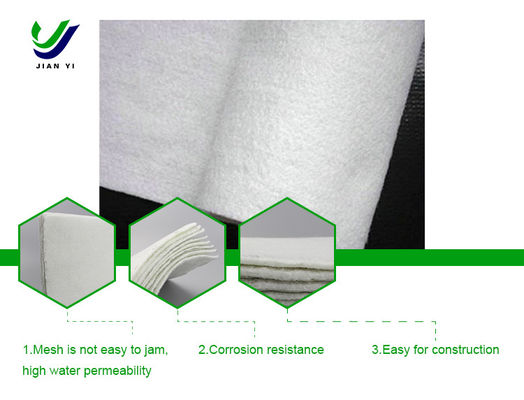
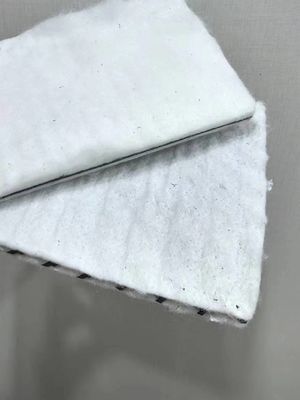
This high-temperature resistant three-dimensional composite drainage net is specially engineered for demanding high-temperature environments. Manufactured using heat-resistant plastic materials and thermally stable non-woven geotextiles, this product maintains exceptional structural integrity and drainage performance at temperatures up to 120°C, ensuring reliable operation without melting or deformation in high-temperature applications.
Key Features
Superior high-temperature resistance: Maintains stable performance at 60-120°C with no degradation of mechanical properties or drainage efficiency
Excellent thermal stability: Withstands cyclic temperature variations without cracking, warping, or structural deformation
High-efficiency drainage: Three-dimensional mesh core design provides optimal void ratio for effective drainage of high-temperature water and steam
Chemical corrosion resistance: Resists degradation from high-temperature chemical media, ideal for industrial pipeline trenches and storage tank areas
Applications
This drainage net is specifically designed for high-temperature applications including:
Effectively resolves drainage material failure issues in extreme temperature environments.
Installation Guidelines
Surface Preparation: Pre-treat high-temperature base surfaces with thermal insulation to reduce substrate temperature. Ensure base temperature remains below 80°C during installation.
Laying Procedures: Install drainage net in shaded conditions whenever possible, avoiding direct sunlight exposure. Maintain 20cm overlap width and secure overlap areas with high-temperature resistant clips.
Secure Fastening: Utilize stainless steel or high-temperature plastic fasteners spaced 15-20cm apart. Ensure fasteners do not compromise drainage net integrity.
Post-Installation Verification: Conduct thermal testing after installation to verify drainage net condition. Proceed with thermal insulation layer construction only after successful testing.