Home/Products/Staple Fiber Geotextile/Heat-Resistant Polypropylene Geotextile with 120℃ Heat Resistance, Excellent Puncture Resistance, and High Water Permeability for Mine Smelting Areas
Heat-Resistant Polypropylene Geotextile with 120℃ Heat Resistance, Excellent Puncture Resistance, and High Water Permeability for Mine Smelting Areas
Product Description
Heat-Resistant Polypropylene Geotextile for Mine Smelting Areas
Product Introduction
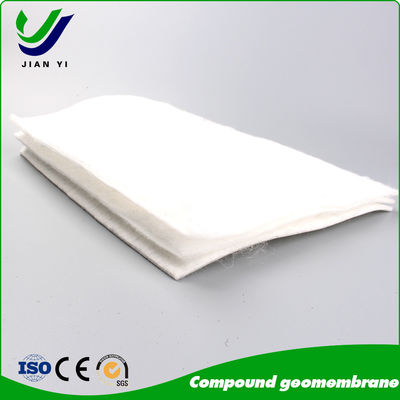
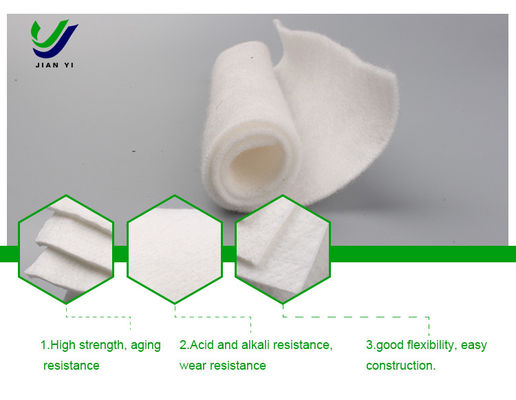
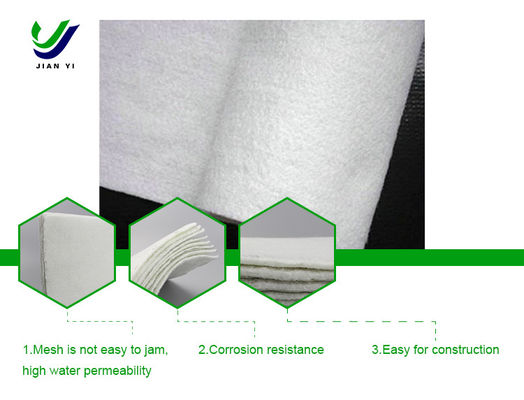
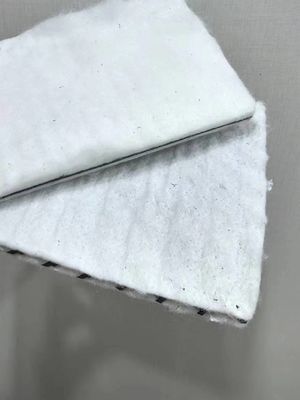
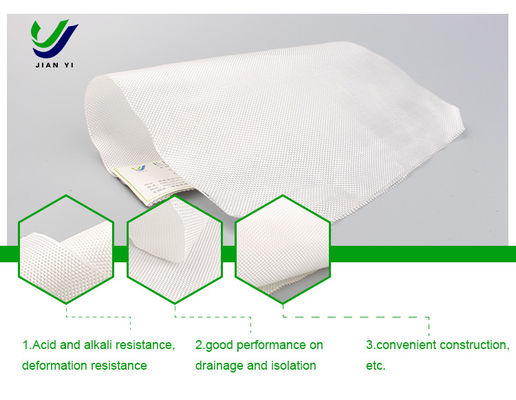
This specialized high-temperature resistant geotextile is engineered specifically for mine smelting applications. Manufactured from modified polypropylene fibers enhanced with heat-resistant additives including glass fiber reinforcement and flame-retardant agents, the material is produced through advanced needle-punching technology.
The product delivers exceptional high-temperature performance, withstanding temperatures up to 120℃—significantly higher than standard polypropylene geotextiles (rated ≤90℃). Its dense structure and robust mechanical strength ensure consistent performance under prolonged high-temperature exposure. Available in weights ranging from 150g/m² to 600g/m², with custom sizing options for specific smelting area requirements.
Key Features & Benefits
High-Temperature Resistance: Maintains structural integrity and mechanical properties (tensile strength, tear resistance) under prolonged exposure to high temperatures near smelting furnaces and waste disposal sites, without melting or decomposition
Filtration & Drainage: Effectively filters impurities from high-temperature wastewater and leachate in smelting areas, facilitating rapid water drainage to minimize waterlogging and corrosion risks
Chemical Corrosion Resistance: Withstands erosion from acidic, alkaline, and heavy metal-containing smelting by-products without degradation
Protective Performance: Shields underlying soil and equipment from high-temperature radiation and chemical contamination
Application Scenarios
Primarily deployed in mine smelting operations including:
Filtration and drainage layers near smelting furnaces for high-temperature wastewater collection and treatment
Protective layers for high-temperature waste disposal sites to prevent heat radiation and soil contamination
Filtration layers in smelting wastewater treatment systems for high-temperature, high-corrosion wastewater
Protective linings for high-temperature gas pipelines within smelting workshops
Suitable for various smelting processes including copper, aluminum, and iron smelting operations
High-temperature applications in coal-fired power plants within mining areas, such as coal ash water filtration layers
Technical Specifications
Parameter
Specification
Temperature Resistance
Up to 120℃
Weight Range
100g/m² to 800g/m²
Material Composition
Modified polypropylene with heat-resistant additives
Manufacturing Process
Needle-punching technology
Installation & Usage Guidelines
Safety First: Avoid installation during peak temperature periods when smelting furnaces are fully operational to prevent burns and ensure installer safety.
Surface Preparation: Ensure base surface is level and free of sharp objects that could puncture the geotextile.
Installation Method: Lay geotextile closely against the surface with 15-20cm overlaps between adjacent sections. Secure overlaps using heat-resistant stitching or anchor pins.
Operational Limits: Prevent direct contact with open flames or objects exceeding 120℃ to avoid material damage.
Maintenance & Inspection: Regularly inspect for high-temperature aging indicators including discoloration, brittleness, and shrinkage. Promptly replace damaged sections. If contact occurs with high-temperature molten substances, immediately remove and replace affected areas to maintain filtration and protection effectiveness.