Product Overview
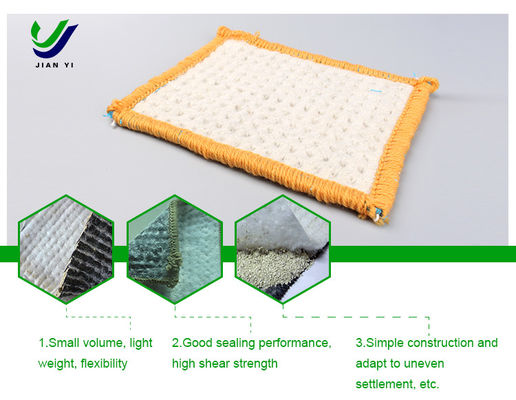
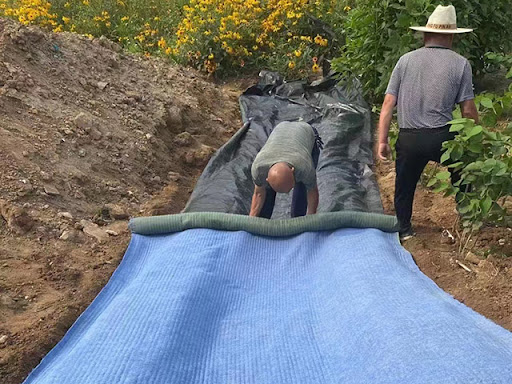
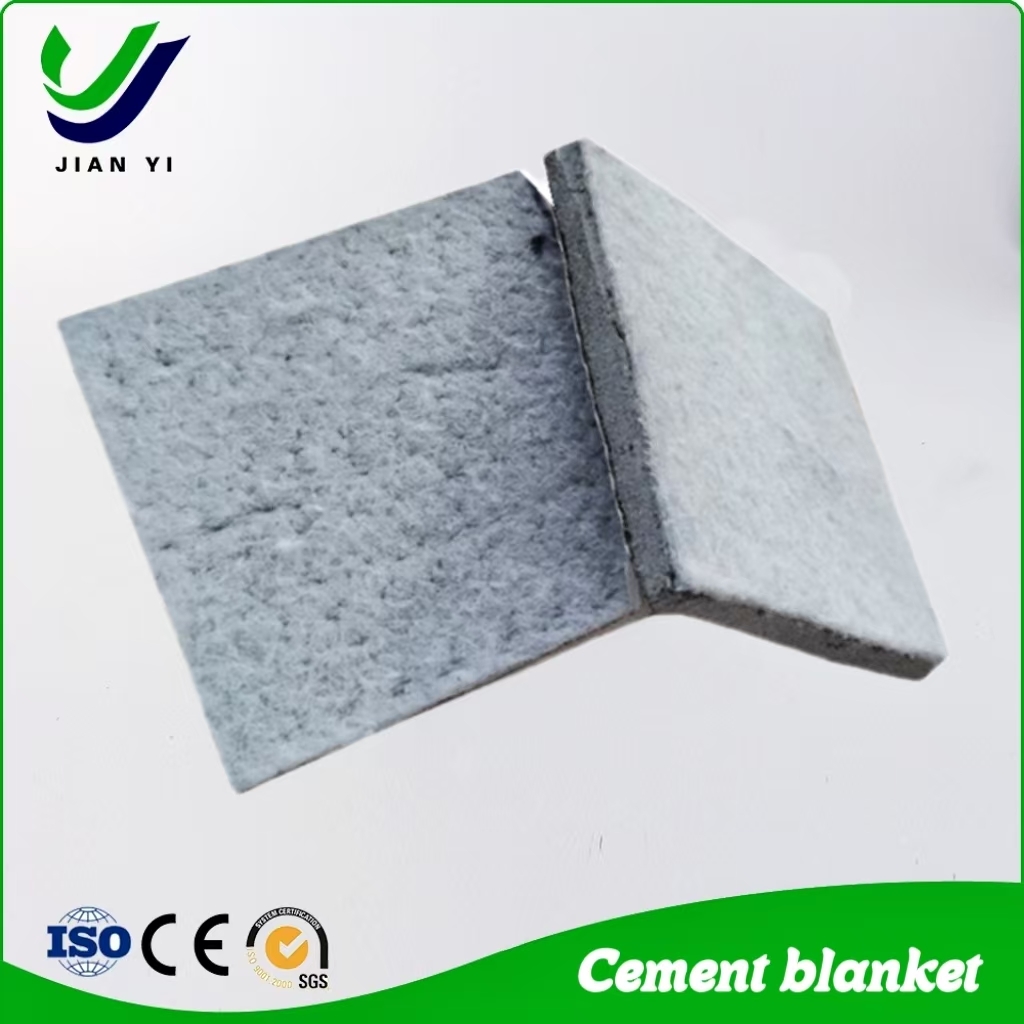
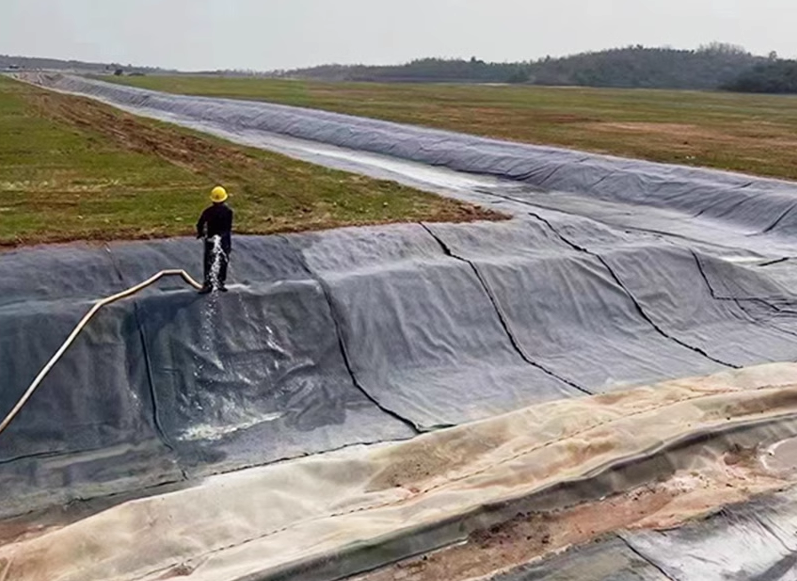
The cement blanket, also known as geosynthetic cementitious composite mat (GCCM), is an innovative flexible composite engineering material integrated with high-strength fiber fabric and dry cementitious mixture. Different from traditional rigid concrete structures, this roll-form material is dry, flexible and lightweight in the original state, realizing ultra-convenient transportation, laying and on-site construction without complex concrete mixing, formwork support and large mechanical equipment. After being fully hydrated with water, it undergoes rapid chemical hydration reaction, quickly hardening into a dense, high-strength, waterproof and durable integral concrete protective layer, perfectly combining the flexibility of textile materials and the structural stability of traditional concrete.
Core Features & Advantages
First of all, it supports rapid construction and shortens the project cycle greatly. The blanket can be laid and shaped freely along terrains such as slopes, ditches and curved surfaces, and initially sets within 2 hours after watering, reaching 80% of the design strength in 24 hours, which is dozens of times more efficient than traditional concrete pouring. Secondly, it has excellent comprehensive performance, featuring high compressive strength, strong anti-cracking, anti-erosion, fireproof and weather resistance. The integrated hardened structure avoids hollowing, peeling and damage problems of traditional concrete, and can resist long-term water flow scouring, wind and rain erosion, and extreme temperature changes. In addition, the product is cost-effective and environmentally friendly, with low material loss and no construction waste. It adapts to complex construction environments, especially suitable for narrow spaces, high slopes and remote areas where traditional construction is difficult to carry out. Moreover, the unique waterproof backing membrane effectively prevents substrate moisture loss and enhances the overall anti-seepage effect.
Application Scenarios
Widely used in water conservancy engineering (river channel lining, reservoir slope protection, irrigation ditch anti-seepage, landscape lake stabilization), traffic infrastructure (highway and railway slope reinforcement, bridge foundation protection, culvert lining), emergency rescue projects (flood control and disaster relief, temporary dam reinforcement, emergency slope stabilization), as well as agricultural breeding, environmental protection renovation and other civil engineering anti-erosion and protective reinforcement projects.


 Your message must be between 20-3,000 characters!