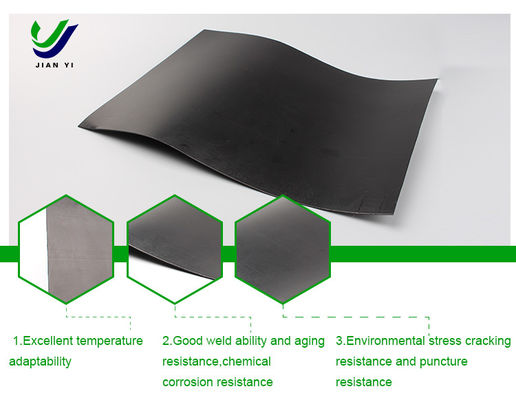
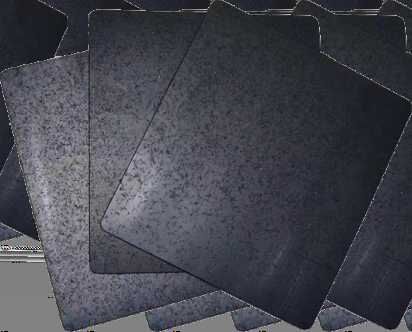
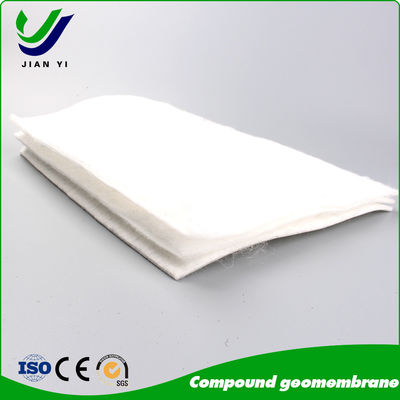
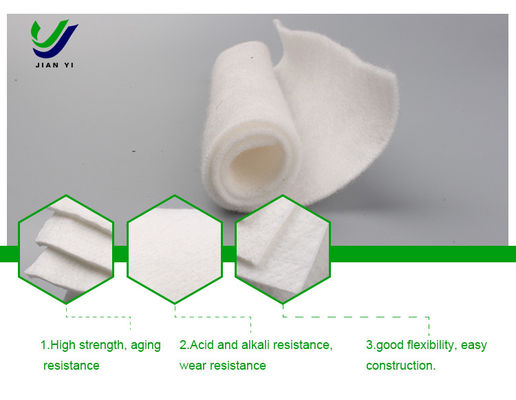
Waterproof And Anti-Seepage HDPE Smooth Geomembrane For Civil Engineering Projects
Product Introduction
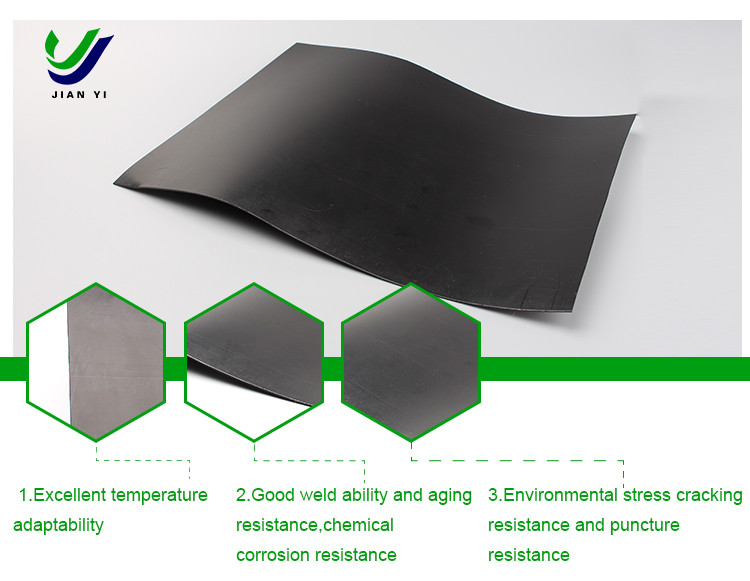
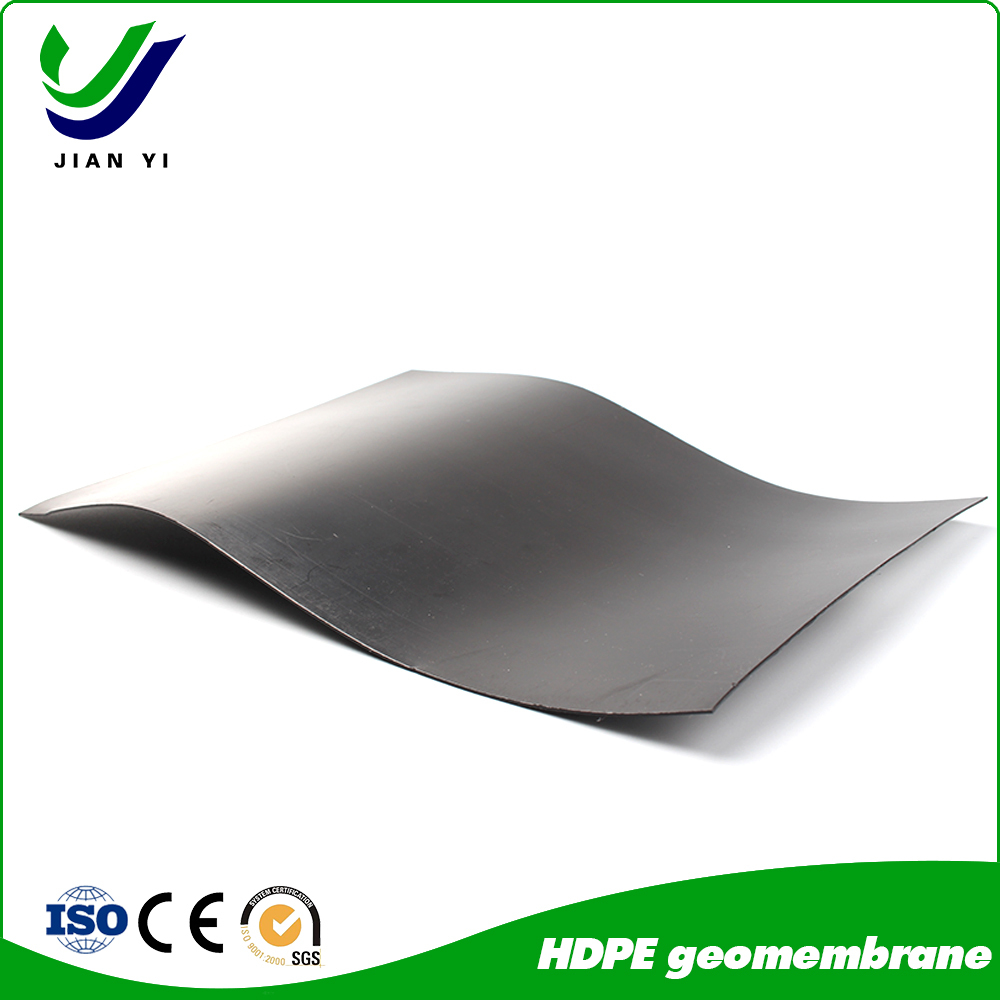
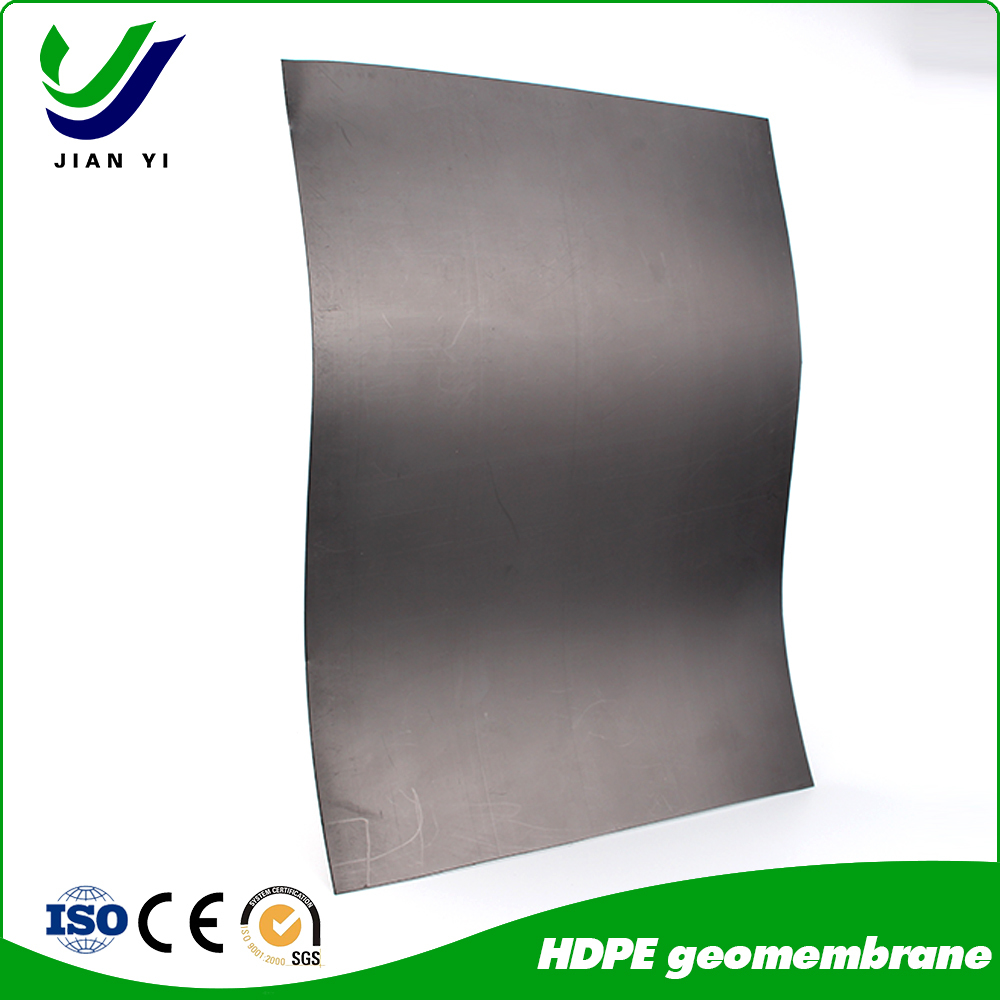
Smooth geomembrane, also known as smooth geomembrane, is a widely used waterproof barrier geosynthetic material. The material is based on high molecular polymer, adding carbon black, antioxidant, anti-aging agent, ultraviolet absorber and color masterbatch and other auxiliary materials through special formula.
Product Properties
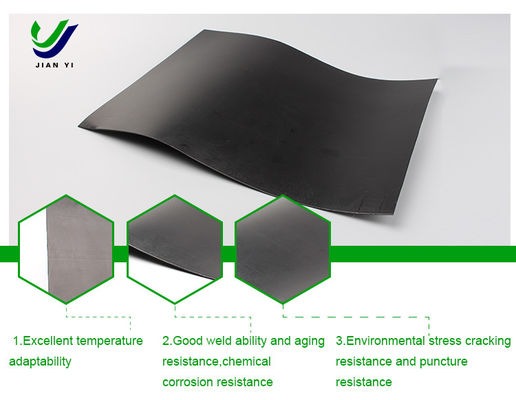
1. Low permeability: Smooth geomembrane has extremely low permeability, which can effectively prevent the passage of water and pollutants.
2. Chemical and ultraviolet resistance: Excellent chemical and ultraviolet resistance make the material resistant to various chemical substances and prolonged exposure to sunlight.
3. High cost performance: Compared with other similar products, smooth geomemofilm has a higher cost performance, is the first choice for civil engineering seepage prevention materials.
4. Strong adaptability: wide temperature adaptability, can be used in extreme weather conditions.
Product Application
1. Water conservancy and environmental protection: applied to the anti-seepage reinforcement of river dikes, lake DAMS, tailings DAMS, etc.
2. Municipal engineering: such as subway, building underground engineering, planting roof anti-seepage lining.
3. Aquaculture: Suitable for seawater, freshwater fish and shrimp farms.
4. Garden engineering: It can be used for waterproofing and moisture-proof of river, reservoir, artificial lake, etc.
5. Salt industry: salt field crystallization tank, halogen tank cover and other occasions.
6. Transportation infrastructure: waterproof layer of highway, railway foundation, etc.
7. Petrochemical industry: chemical plants, refineries, oil storage tank anti-seepage lining, etc.
8. Mining engineering: the bottom lining of washing pool, pile leaching pool, etc.
Product Specification
* Thickness(mm): 0.30mm~3.00mm
* Width:1m~9m
* Roll length: 30m~100m (customized request accept)
PS: Customized request accept for all above.
(According to the Latest National standard: GH-2S & GB/T 17643-2025)
|
Specification
|
0.75mm
|
1.00mm
|
1.25mm
|
1.50mm
|
2.00mm
|
2.50mm
|
3.00mm
|
Remark
|
|
Item
|
|
Thickness (mm)
|
0.75mm
|
1.00mm
|
1.25mm
|
1.50mm
|
2.00mm
|
2.50mm
|
3.00mm
|
|
|
Density (g/c㎡,≥)
|
0.940
|
|
|
Tensile Properties
|
|
Yield Strength (N/mm,LD/TD)
|
11
|
15
|
18
|
22
|
29
|
37
|
44
|
|
|
Breaking Strength (N/mm,LD/TD)
|
20
|
27
|
33
|
40
|
53
|
67
|
80
|
|
|
Yeild Elongation Rate (%)
|
10-16
|
|
|
Breaking Elongation Rate (%)
|
≥700
|
|
|
Rectangular Tear Strength (N)
|
93
|
125
|
160
|
190
|
250
|
315
|
375
|
|
|
Puncture Strength (N)
|
240
|
320
|
400
|
480
|
640
|
800
|
960
|
|
|
Environmental Stress Crack Resistance (h)
(A single point of incision constant tensile method)
|
≥500
|
|
|
Carbon Black
|
|
Carbon Black Content(Rang) (%)
|
2.0~2.8
|
|
|
Carbon Black Dispersion
|
Nine of 10 observation area should be grade 1 or grade 3, not more grade4,grade5
|
|
|
Oxidative Induction Time (OIT)
|
|
Standard OIT (min)
|
≥100
|
|
|
High Pressure OIT (min)
|
≥400
|
|
|
85℃ Oven Ageing (Minimum Average)
|
|
90 days after baking, the standard OIT retention(%)
|
≥55
|
|
|
90 days after baking, the hight pressure OIT retention(%)
|
≥80
|
|
|
The Anti-UV Strength
|
|
Ultraviolet irradiation after 1600 hours, the standard OIT retention(%)
|
≥50
|
|
|
-70℃ The Low Temperature Embrittlement Performance impact
|
Pass
|
|
|
Water Vapor Penetration Coefficient g.cm (cm2.s.Pa)
|
≤1.0X10⁻¹³
|
|
|
Dimensional Stability
|
±2.0
|
|
Product Specification and Technical Index
(According to the Latest National standard: GH-1 & GB/T 17643-2025)
|
Specification
Item
|
0.30
|
0.50
|
0.75
|
1.00
|
1.25
|
1.50
|
2.00
|
2.50
|
3.00
|
Remark
|
|
Thickness (mm)
|
0.30
|
0.50
|
0.75
|
1.00
|
1.25
|
1.50
|
2.00
|
2.50
|
3.00
|
|
|
Density (g/c㎡,≥)
|
≥0.94
|
|
Tensile Yield Strength (N/mm, ≥,LD/TD)
|
4
|
7
|
10
|
13
|
16
|
20
|
26
|
33
|
40
|
|
|
Tensile Breaking Strength (N/mm, ≥,LD/TD)
|
6
|
10
|
15
|
20
|
25
|
30
|
40
|
50
|
60
|
|
|
Yield Elongation Rate (%,≥,LD/TD)
|
-
|
-
|
-
|
1-16
|
|
|
Breaking Elongation Rate (%,≥,LD/TD)
|
≥600
|
|
|
Rectangular Tear Load (N,≥,LD/TD)
|
34
|
56
|
84
|
115
|
140
|
170
|
225
|
280
|
340
|
|
|
Puncture Strength (N,≥)
|
72
|
120
|
180
|
240
|
300
|
360
|
480
|
600
|
720
|
|
|
Carbon Black Content (%)
|
2.0~2.8
|
|
|
Carbon Black Dispersion
|
Less than 1date of Grade 3 out of 10 data, grade 4,grade 5 is not allowed
|
|


 Your message must be between 20-3,000 characters!