HDPE Smooth Geomembrane for Effective Seepage Control in Environmental Engineering Projects
Product Introduction
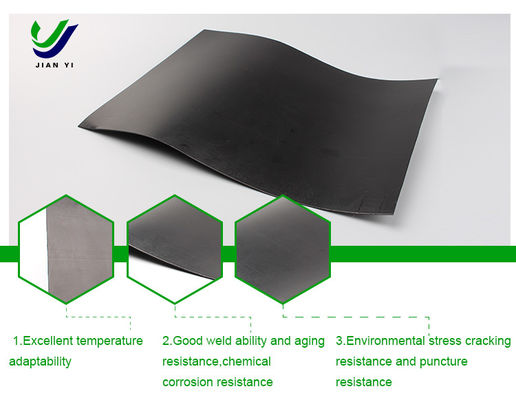
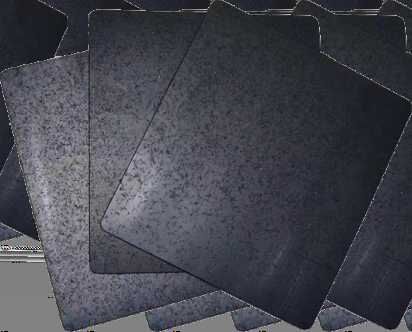
HDPE Geomembrane, full name High Density Polyethylene Geomembrane, is a waterproof and barrier material produced from (medium) high density polyethylene resin. It has a density of 0.94 g/cm³ or above, excellent resistance to environmental stress cracking, low temperature resistance, aging resistance, corrosion resistance, as well as a wide range of operating temperatures (-60--+60℃) and a long service life (up to 50 years). HDPE geomembrane is mainly composed of 97.5% high-density polyethylene and about 2.5% carbon black, anti-aging agents, antioxidants, ultraviolet absorbers, stabilizers, etc., and is made by three-layer co-extrusion technology.
Outstanding Impermeability: HDPE geomembranes have the lowest permeability, effectively preventing water seepage and suitable for various impervious projects.
Good chemical stability: resistant to most household and industrial chemicals, not easily corroded.
Ultraviolet Resistance: Capable of resisting the effects of ultraviolet light, extending service life.
Good mechanical properties: It has strong tensile strength and elongation at break, adapting to uneven geological settlement.
HDPE geomembranes are widely used in various fields due to their unique properties:
Landfill Liner for Municipal Solid Waste: Effectively prevents leachate from municipal solid waste polluting groundwater and soil.
Waste Landfill Imperviousness: Protects groundwater resources and reduces environmental pollution.
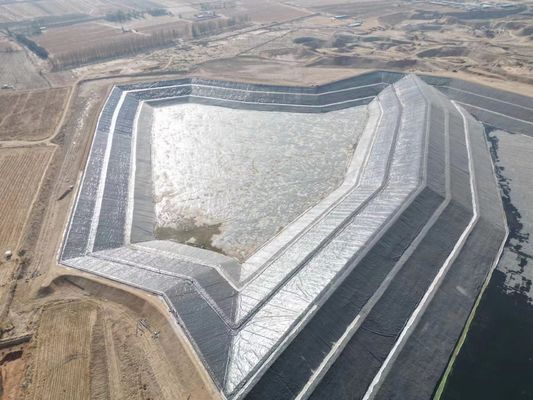
Dams and Reservoir Seepage Prevention: Preventing water loss and maintaining the effective use of water resources.
Channel and Reservoir Seepage Prevention: Enhancing the durability and safety of water conservancy facilities.
Underground Building Waterproofing: Protects buildings from erosion by groundwater.
Building Waterproofing: Preventing basement and roof leakage to extend the life of the building.
Aquaculture Waterproofing: Provides a clean growth environment for aquatic organisms.
Agricultural Water Conservancy: Improve the efficiency of irrigation systems to reduce water wastage.
Artificial lake and landscape lake waterproofing: Maintain water quality and ecological balance.
Tailings Treatment Imperviousness: Prevents tailings pollution of soil and water sources.
(According to the Latest National standard: GH-2S & GB/T 17643-2025)
|
Specification |
0.75mm |
1.00mm |
1.25mm |
1.50mm |
2.00mm |
2.50mm |
3.00mm |
Remark |
|
Item |
||||||||
|
Thickness (mm) |
0.75mm |
1.00mm |
1.25mm |
1.50mm |
2.00mm |
2.50mm |
3.00mm |
|
|
Density (g/c㎡,≥) |
0.940 |
|
||||||
|
Tensile Properties |
||||||||
|
Yield Strength (N/mm,LD/TD) |
11 |
15 |
18 |
22 |
29 |
37 |
44 |
|
|
Breaking Strength (N/mm,LD/TD) |
20 |
27 |
33 |
40 |
53 |
67 |
80 |
|
|
Yeild Elongation Rate (%) |
10-16 |
|
||||||
|
Breaking Elongation Rate (%) |
≥700 |
|
||||||
|
Rectangular Tear Strength (N) |
93 |
125 |
160 |
190 |
250 |
315 |
375 |
|
|
Puncture Strength (N) |
240 |
320 |
400 |
480 |
640 |
800 |
960 |
|
|
Environmental Stress Crack Resistance (h) |
≥500 |
|
||||||
|
Carbon Black |
||||||||
|
Carbon Black Content(Rang) (%) |
2.0~2.8 |
|
||||||
|
Carbon Black Dispersion |
Nine of 10 observation area should be grade 1 or grade 3, not more grade4,grade5 |
|
||||||
|
Oxidative Induction Time (OIT) |
||||||||
|
Standard OIT (min) |
≥100 |
|
||||||
|
High Pressure OIT (min) |
≥400 |
|
||||||
|
85℃ Oven Ageing (Minimum Average) |
||||||||
|
90 days after baking, the standard OIT retention(%) |
≥55 |
|
||||||
|
90 days after baking, the hight pressure OIT retention(%) |
≥80 |
|
||||||
|
The Anti-UV Strength |
||||||||
|
Ultraviolet irradiation after 1600 hours, the standard OIT retention(%) |
≥50 |
|
||||||
|
-70℃ The Low Temperature Embrittlement Performance impact |
Pass |
|
||||||
|
Water Vapor Penetration Coefficient g.cm (cm2.s.Pa) |
≤1.0X10⁻¹³ |
|
||||||
|
Dimensional Stability |
±2.0 |
|
||||||
Product Specification and Technical Index
(According to the Latest National standard: GH-1 & GB/T 17643-2025)
|
Specification |
0.30 |
0.50 |
0.75 |
1.00 |
1.25 |
1.50 |
2.00 |
2.50 |
3.00 |
Remark |
|
Thickness (mm) |
0.30 |
0.50 |
0.75 |
1.00 |
1.25 |
1.50 |
2.00 |
2.50 |
3.00 |
|
|
Density (g/c㎡,≥) |
≥0.94 |
|||||||||
|
Tensile Yield Strength (N/mm, ≥,LD/TD) |
4 |
7 |
10 |
13 |
16 |
20 |
26 |
33 |
40 |
|
|
Tensile Breaking Strength (N/mm, ≥,LD/TD) |
6 |
10 |
15 |
20 |
25 |
30 |
40 |
50 |
60 |
|
|
Yield Elongation Rate (%,≥,LD/TD) |
- |
- |
- |
1-16 |
|
|||||
|
Breaking Elongation Rate (%,≥,LD/TD) |
≥600 |
|
||||||||
|
Rectangular Tear Load (N,≥,LD/TD) |
34 |
56 |
84 |
115 |
140 |
170 |
225 |
280 |
340 |
|
|
Puncture Strength (N,≥) |
72 |
120 |
180 |
240 |
300 |
360 |
480 |
600 |
720 |
|
|
Carbon Black Content (%) |
2.0~2.8 |
|
||||||||
|
Carbon Black Dispersion |
Less than 1date of Grade 3 out of 10 data, grade 4,grade 5 is not allowed |
|
||||||||